Guides
Excavation & Driveway Guides
Plain-English write-ups on the calls people ask us to make for them — what each option actually does on Permian Basin ground, and where it stops being the right one.
Deciding between two things that both sound right
Most of what a property owner has to decide before dirt work starts comes down to a pair of options that a contractor can explain in thirty seconds on the phone and then never writes down anywhere. Caliche or gravel. A culvert or a low-water crossing. Clearing a tract or developing it. The answers are not complicated, but they do depend on what your ground is made of and what the finished thing has to carry — which is exactly the part that gets left out of a generic article written for somebody in East Texas.
These guides are the long version of conversations we have every week, written for the ground we actually work on: caliche close to the surface around Midland, sand at Monahans, flat clay-loam up at Lubbock, rock ledge east of here. Where the honest answer is that we are not the right contractor for what you want, the guide says so.
Guide
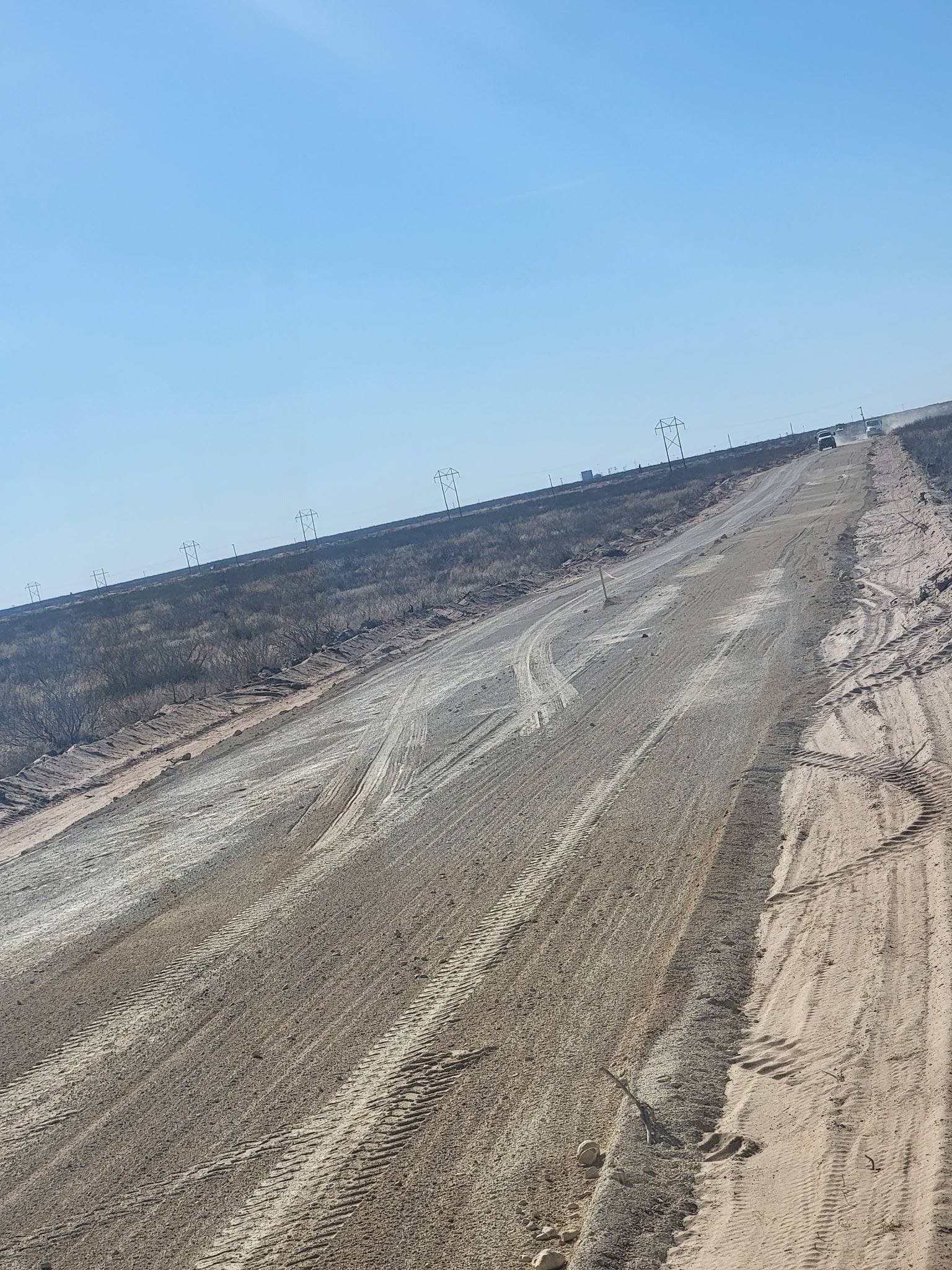
Caliche vs Gravel Driveway
The two materials most Permian Basin driveways get built out of, compared honestly — how each behaves under a loaded trailer, what a hard rain does to it, and what it takes to keep.
5 points of comparison · 6 questions answered
Read the guide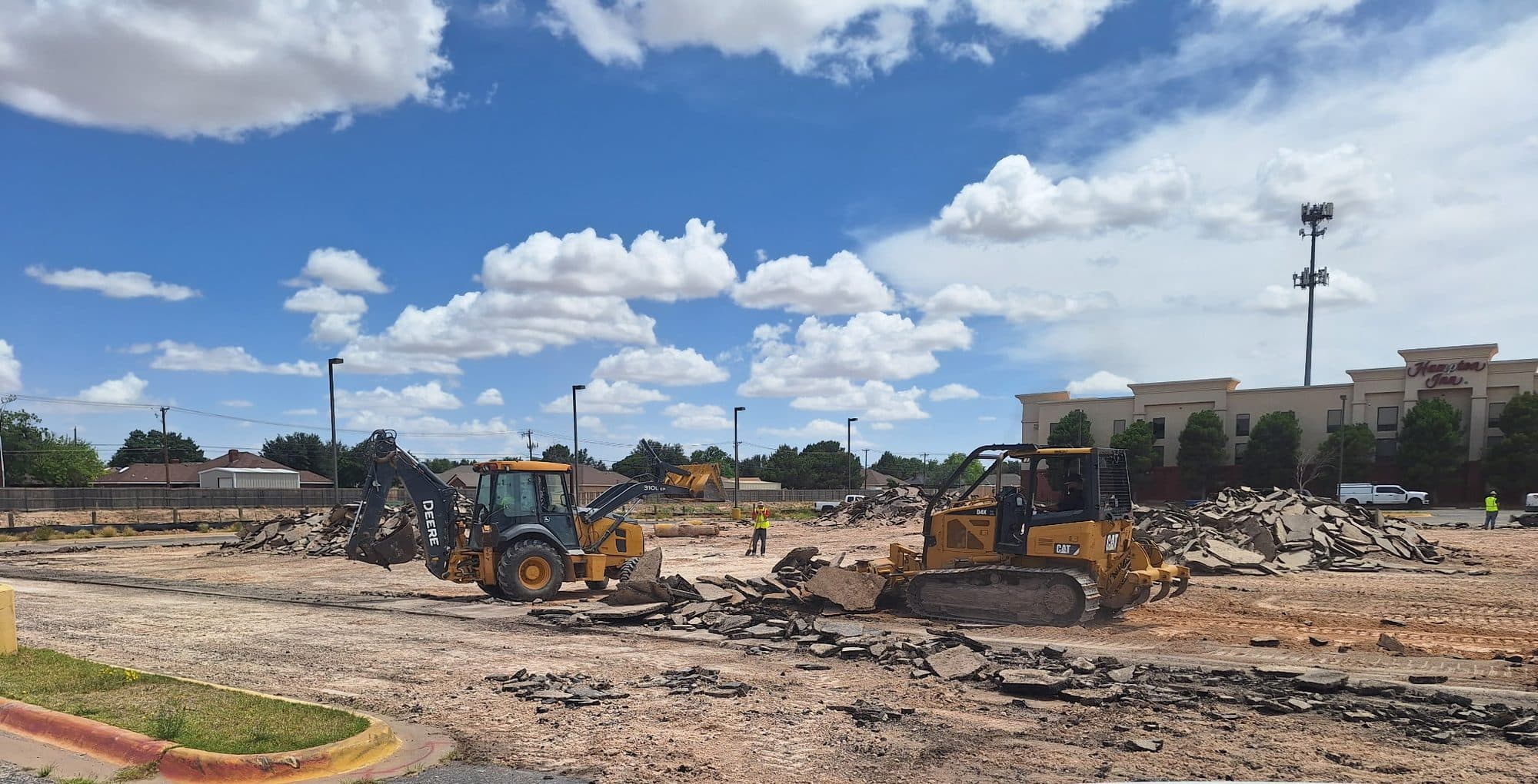
Guide
Overlay vs Tear-Out
The decision every owner of a tired commercial lot has to make, explained by what is actually happening under the pavement rather than by what looks cheapest this year.
5 points of comparison · 4 questions answered
Read the guide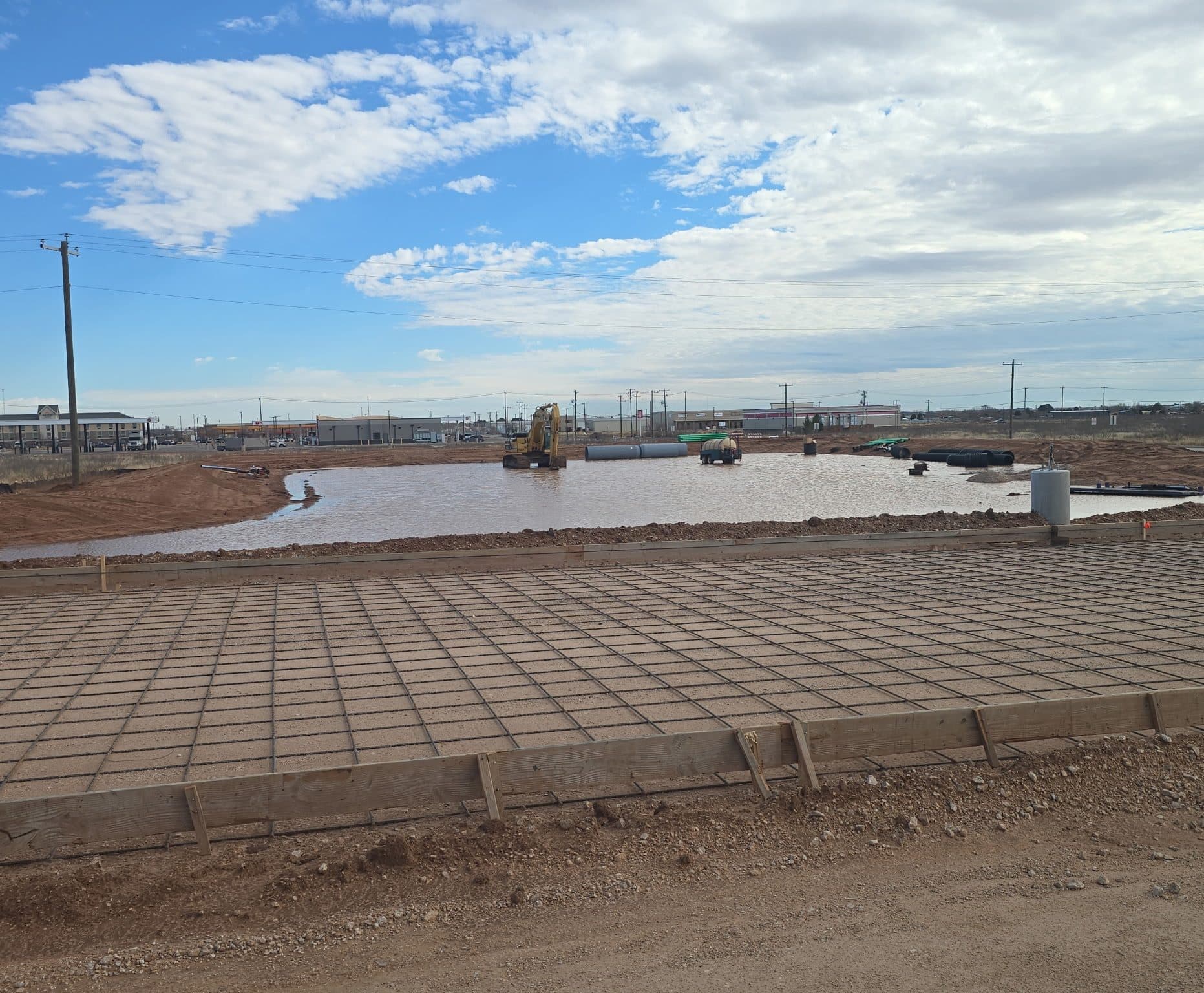
Guide
Dirt Tank vs Sealed Pond
Half the stock tanks out here hold water and half of them do not, and the difference is almost never how deep the hole is. What the soil is made of, how the dam was built, and whether the basin needed sealing — compared plainly.
6 points of comparison · 6 questions answered
Read the guide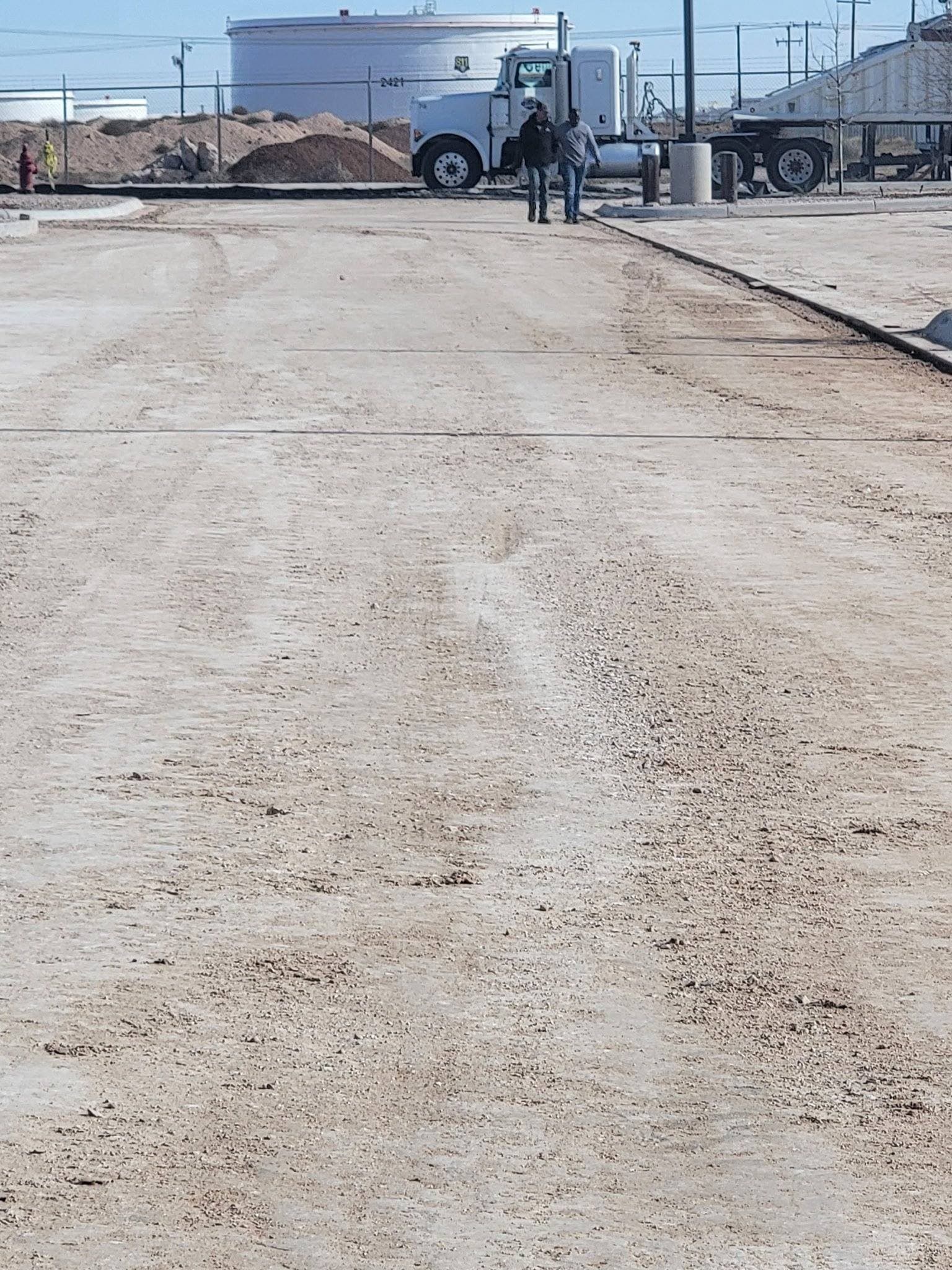
Guide
Well Pad: Cut and Fill vs Imported Caliche
Every well pad out here gets built one of two ways: balanced on the location itself, or built up out of material hauled in. The ground picks, not the budget — and knowing which one your location is before the bid goes in changes the number more than anything else on the job.
6 points of comparison · 6 questions answered
Read the guide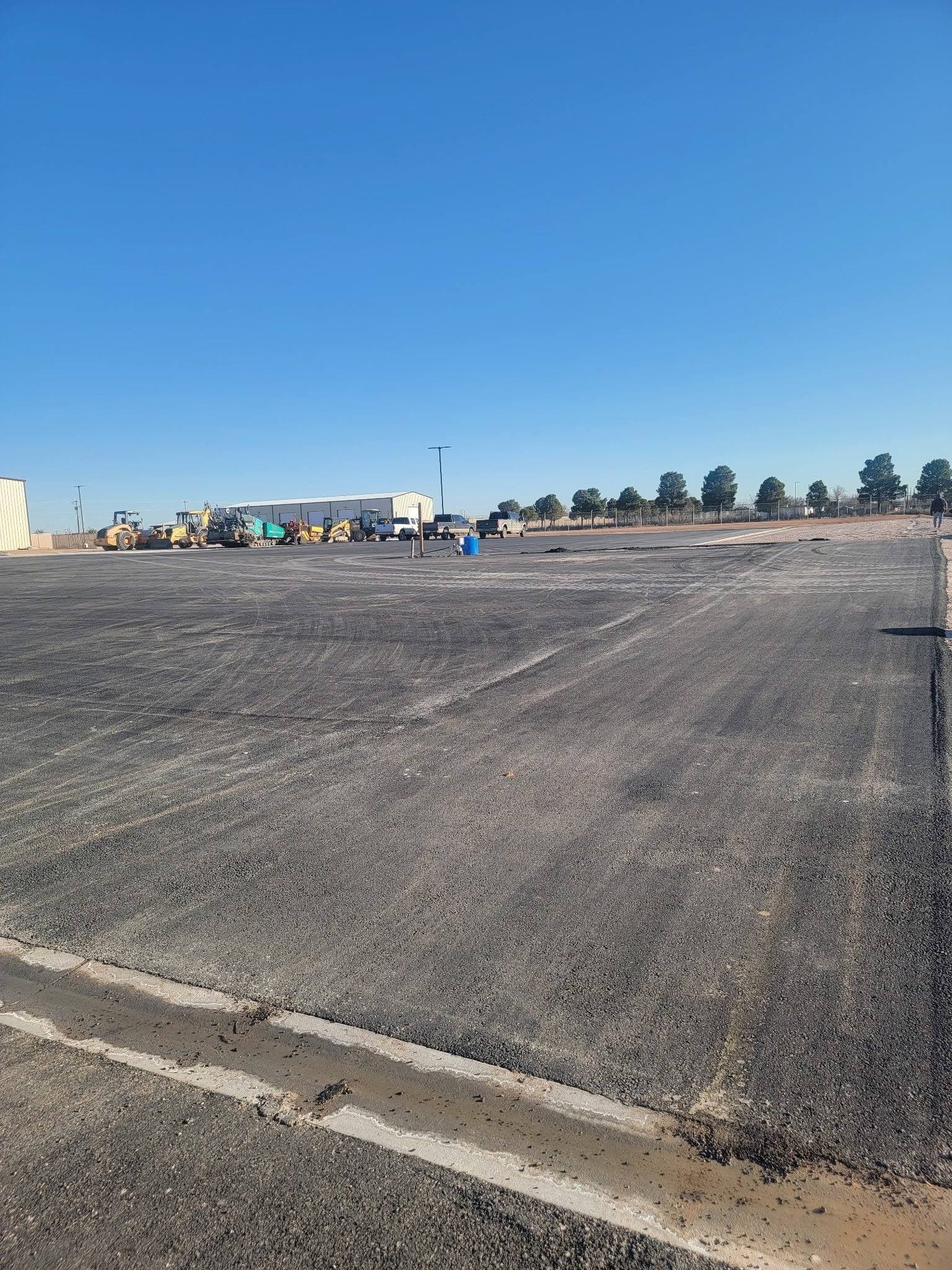
Guide
Site Prep vs Pad Construction
Two words that get used like synonyms and are not. One is the whole job of turning raw ground into something you can build on. The other is one piece of it. Knowing which one your bid covers is the difference between comparing two numbers and comparing two different jobs.
7 points of comparison · 6 questions answered
Read the guide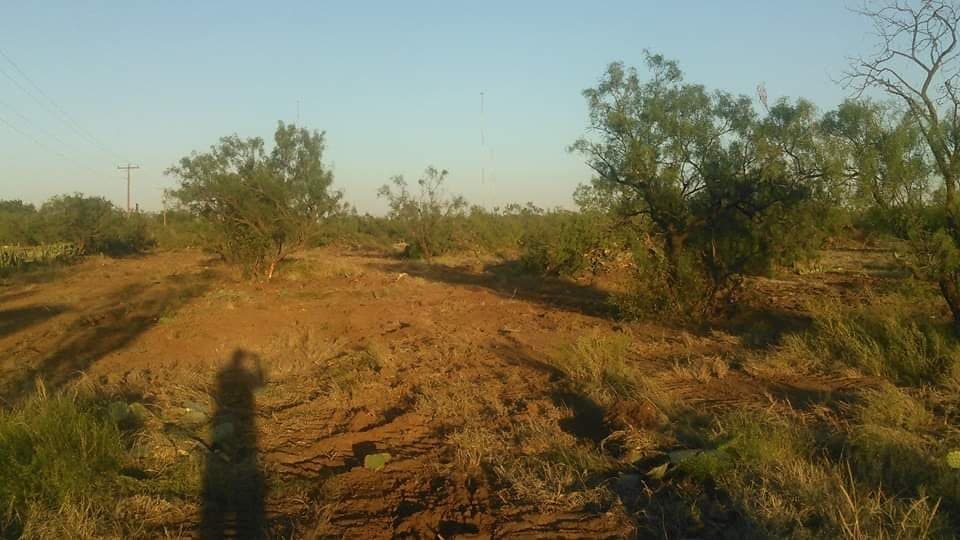
Guide
Grubbing vs Mulching
The two ways brush comes off a tract in West Texas. One grinds it where it stands and leaves the roots. One takes the roots out and leaves ground you can build on. Mesquite is the reason picking wrong costs you twice.
7 points of comparison · 6 questions answered
Read the guide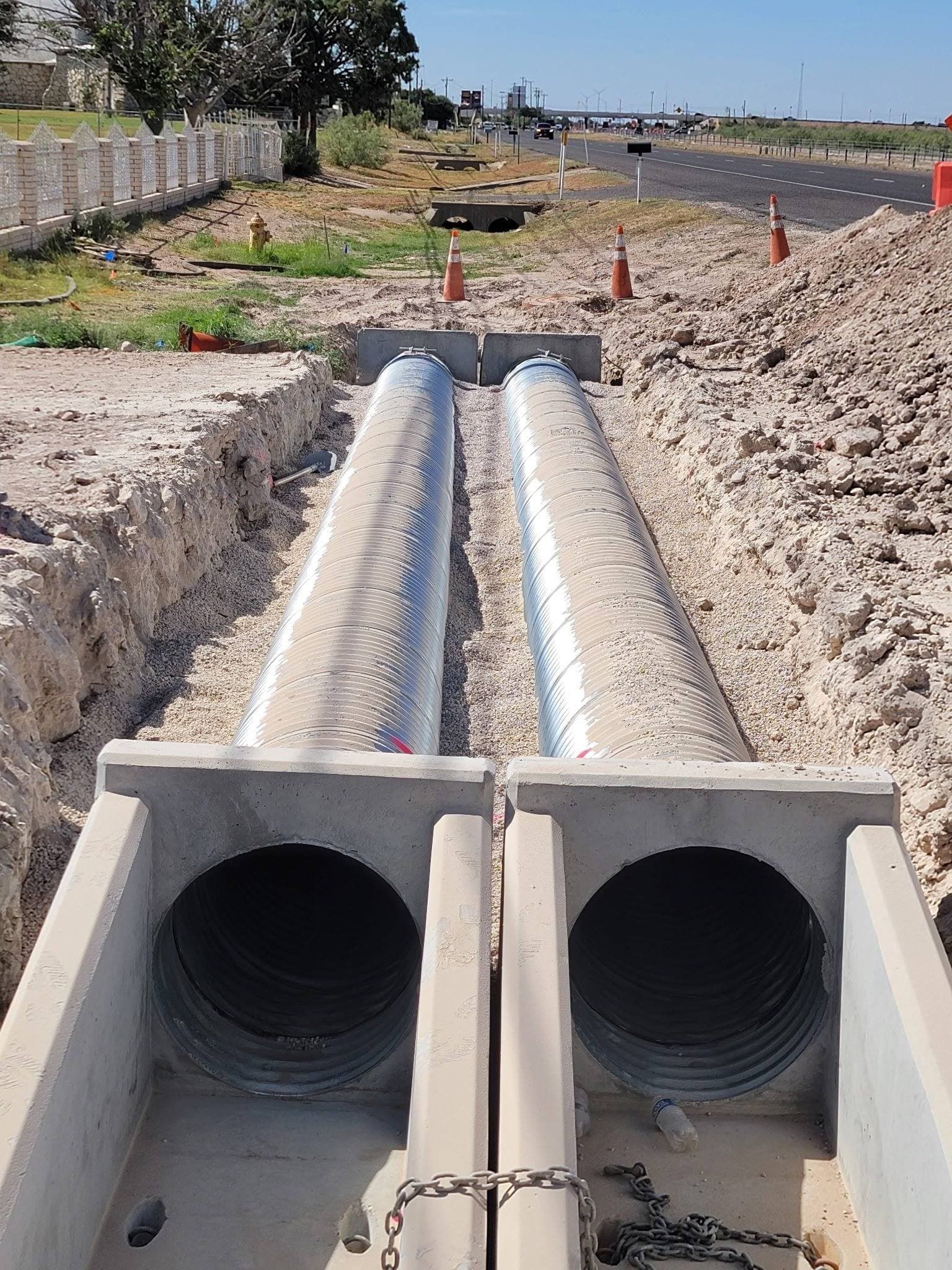
Guide
Culvert vs Low-Water Crossing
A road has to get across the low ground somehow. Either the water goes under it through a pipe or it goes over it across a slab. The draw usually picks, and picking wrong is how a road becomes a dam.
7 points of comparison · 6 questions answered
Read the guideGuide
Dammed Tank vs Dug Pit Tank
Every stock tank in this country is built one of two ways: across a draw to catch what runs, or dug into the ground to hold what you put in it. The watershed above the site picks, and the spillway is what keeps whichever one you build.
7 points of comparison · 6 questions answered
Read the guide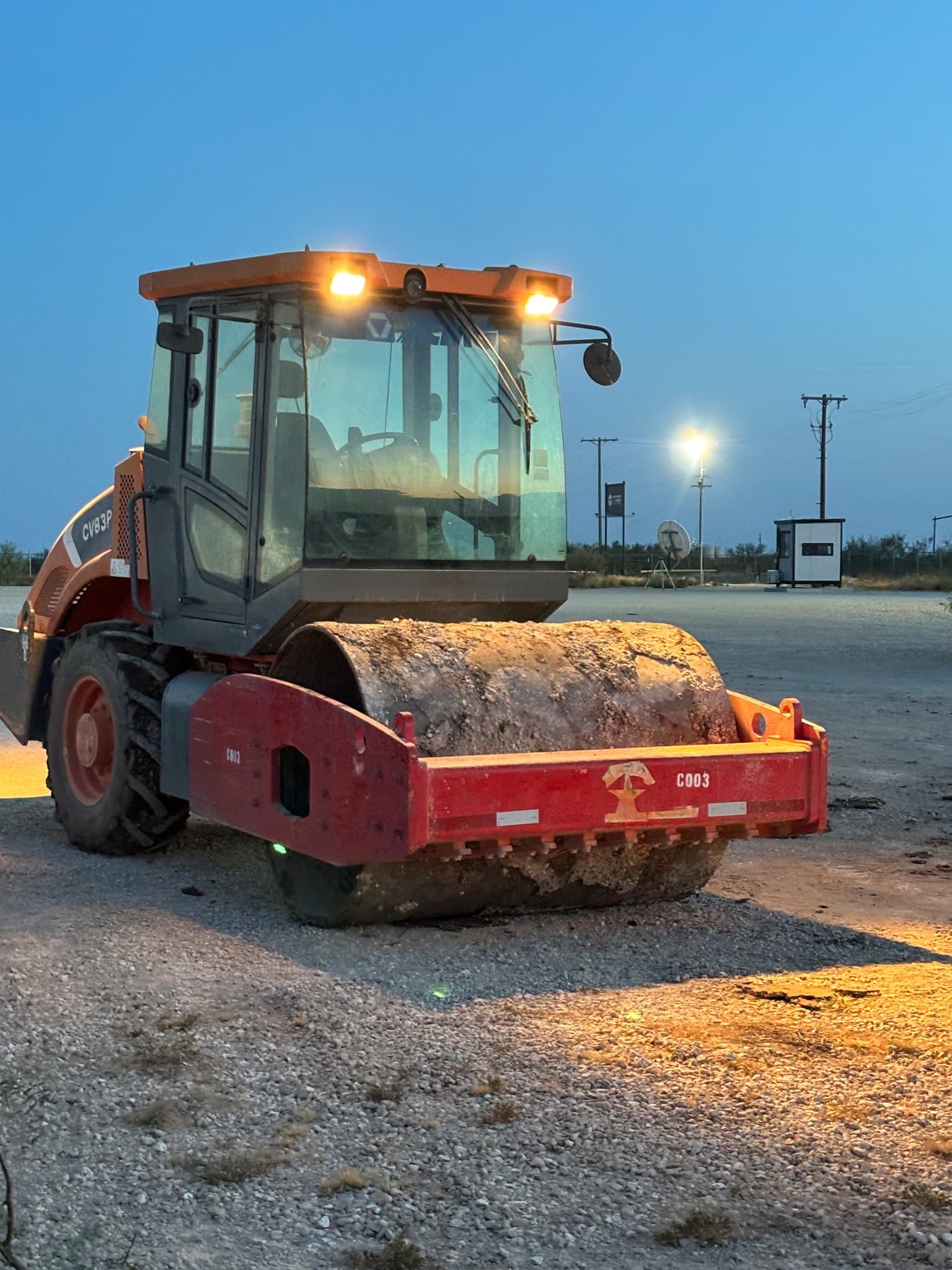
Guide
Padfoot vs Smooth Drum
Every page on this site says the same three words — compacted in lifts. This is what that actually means: which roller does what, why the water truck matters more than the roller, and how anybody knows when the dirt is done.
7 points of comparison · 6 questions answered
Read the guide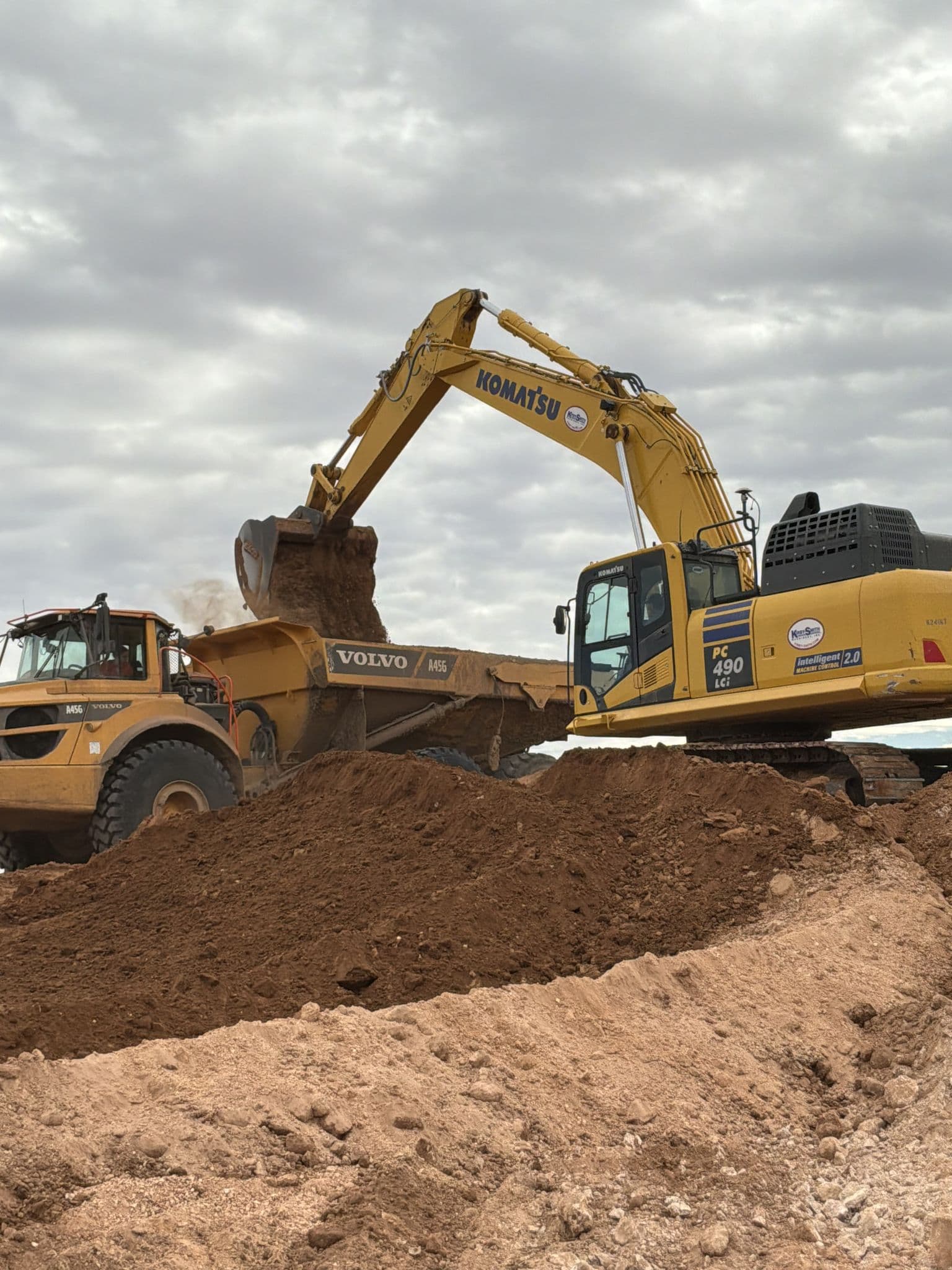
Guide
Scrapers vs Haul Trucks
Every earthwork bid is really a bid on moving dirt from where it is to where it needs to be. There are two ways to do that, they cost different amounts on the same site, and the thing that picks between them is not price — it is how far the dirt has to travel.
8 points of comparison · 6 questions answered
Read the guideGuide
Detention vs Retention Pond
Two words that get swapped on drawings, in bids and in city meetings, and they describe two different things. One empties itself between storms. One is supposed to hold water and mostly cannot out here. Here is how to tell which one your plans are asking for before anybody digs it.
7 points of comparison · 6 questions answered
Read the guideWe add a guide here when we have something specific to say that is not already covered on the service page it belongs to, so this list stays short on purpose. If the decision you are stuck on is not here yet, call and ask — that is how these get written. Start with the full list of services if you already know what you need built.
Contact Us Directly
Prefer to call or email instead of filling out the form? Reach us directly:
Phone
(575) 973-8523Hours
- Monday – SundayOpen 24 hours — call anytime
Service Area
Midland, TX & the Permian Basin