Guide
Grubbing vs Mulching: Two Ways to Clear, and Mesquite Only Respects One
The two ways brush comes off a tract in West Texas. One grinds it where it stands and leaves the roots. One takes the roots out and leaves ground you can build on. Mesquite is the reason picking wrong costs you twice.
Land clearing gets quoted two completely different ways out here and the words sound close enough that people assume the cheaper number is the same job done for less. It is not. Mulching runs a grinding head over standing brush and turns it into chip on the ground. Grubbing gets the root ball out. What is left behind afterward is different, what you can do with the tract afterward is different, and on mesquite ground the difference shows up in about two growing seasons.
This is the most common call we get on acreage, and the honest answer depends on one question nobody asks first: what is going on this ground after we leave? If something is getting built, the roots come out. If you are opening up grazing, mulching is often genuinely the right call and the cheaper one. Rangefinder Excavation has been clearing tracts across the Permian Basin since 2018 on our own dozers and excavators.
If you already know what you want built, the land clearing page covers scope, process and what a job like it involves instead.
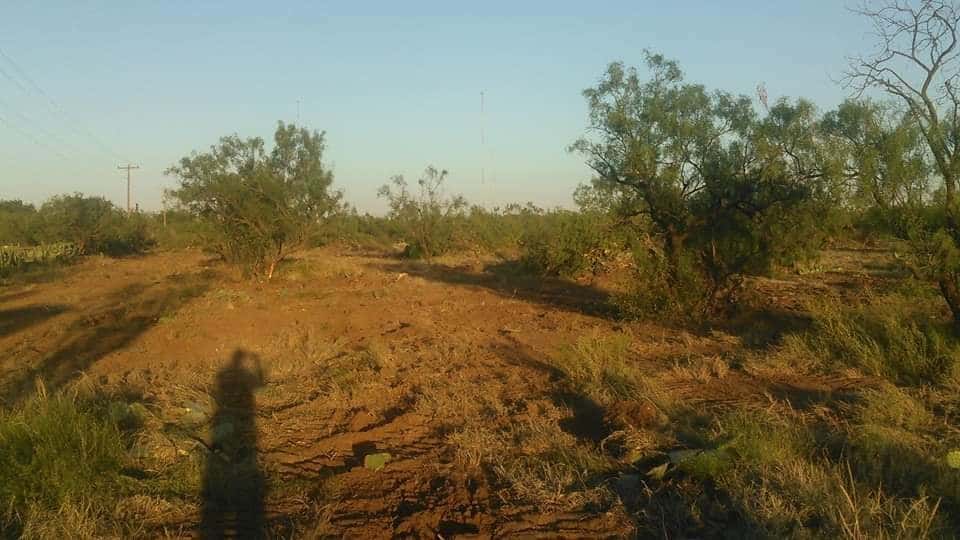
Straight talk: mulching is not cheap grubbing
If somebody quotes you mulching against grubbing on a tract you are about to build on and lets the price do the talking, they are selling you a different job with a smaller number. The two are not grades of the same service. They produce different ground and they are right for different things, and on mesquite one of them is temporary by design.
We will quote either one and we will tell you which we think your tract needs and why. If you want mulching on ground that is going to get built on, we will say plainly that the roots are going to have to come out eventually and let you decide whether to do it now or twice.
Head to Head
Grubbing
Brush and trees are pushed or pulled out root ball and all, usually with a dozer or an excavator, then raked, piled and disposed of. What is left is bare, workable ground with the organic material gone.
Mulching
A mulching head grinds standing brush down where it is, leaving the chip spread on the ground as cover. The root system stays in place and the soil is never opened up.
| What you're comparing | Grubbing | Mulching |
|---|---|---|
| What happens to the roots | They come out. Root ball, crown and the bulk of the lateral roots leave the ground with the plant. | They stay. The stem is ground off at or near the surface and everything below it is untouched. |
| Does it grow back | Not from the plant you removed. New growth comes from seed, which is a much slower problem and a much cheaper one. | On mesquite, yes, and usually vigorously — the root crown is still there and it has stored energy and no canopy to feed. On non-sprouting species, mostly no. |
| What the ground is like after | Bare and disturbed, ready to be graded, compacted and built on. It is also open to wind and rain until something covers it. | Covered in chip, soil intact, roots holding it together. Good ground cover, but not ground you can build on. |
| Debris | Real volume to deal with — raked, piled, and then burned, buried or hauled off, and that decision is a line on the bid. | None to haul. The material stays on site as mulch, which is most of why the number is lower. |
| Terrain and access | Needs room to work and to pile. Rock and caliche ledge slow it down; steep or broken ground makes it harder. | Works in tighter and rougher places than a dozer can push, and leaves less of a mess behind in sensitive spots. |
| Soil disturbance | High by design. Topsoil moves, and on a build site it gets stripped and stockpiled anyway. | Minimal. The single best reason to choose it on erodible ground or where you want the pasture to come right back. |
| Cost shape | Higher per acre. You are paying for the removal and the disposal, and heavy mesquite raises both. | Lower per acre and faster. The trap is buying it for a job that needed grubbing and paying for grubbing later anyway. |
Where Each One Is the Right Call
Reach for grubbing when
- Any tract where a pad, slab, shop, barndominium or road is going in
- Mesquite, which resprouts from the root crown and comes back if the crown stays
- Farm ground going back into production, where roots foul equipment for years
- Anywhere the finished surface has to be graded, compacted or built on
Reach for mulching when
- Opening grazing land and restoring pasture without disturbing the soil
- Clearing fence lines, sight lines, trails and access lanes
- Erosion-sensitive ground where you want the chip layer holding soil in place
- Species that do not resprout aggressively, and follow-up passes on ground already grubbed once
Mesquite is the reason this question matters out here
Mesquite is built to survive exactly what mulching does to it. The energy is in the root crown at the base of the plant, below the surface, and when the top is removed the crown responds by sending up multiple new stems. You do not get the one tree back. You get a multi-stemmed thicket where the single tree was, often thicker and harder to work than the original.
So on a mesquite tract, mulching alone is a temporary result, and everybody selling clearing out here knows it. That does not make mulching useless on mesquite ground — it is a legitimate first pass, and it is the right tool for opening access before grubbing. It just is not a finished job, and it should not be sold to you as one.
If anything is getting built, the roots come out
This is the rule with no exceptions. Root balls and buried woody material are organic, they hold moisture, and they rot. A pad built over them settles unevenly as that material breaks down, and the settlement shows up years after everyone involved has been paid and gone.
That is also why the topsoil gets stripped on a build site regardless of how it was cleared. Organic layer off, stockpiled, pad built on mineral soil that compacts. Mulch chip left on a pad footprint is the same problem in a thinner layer — good cover on pasture, and something we push off before the first lift goes down.
Grazing land is where mulching wins outright
If the goal is grass, mulching is frequently the better job and not just the cheaper one. The soil is never opened, so there is nothing for the wind to take and nothing for a hard rain to move. The chip layer holds moisture at the surface and breaks down into it. Grass comes back faster on a mulched tract than a grubbed one, and it comes back without the two or three years of weed pressure that follows bare disturbed dirt.
The honest caveat is the same one as above: on mesquite you are buying a few good years and a follow-up plan, not a permanent conversion. Plenty of ranchers make that trade deliberately, on a rotation, and it is a reasonable way to manage brush. It works because it is a decision instead of a misunderstanding.
Burn, bury or haul — decide it before the bid
Grubbing makes piles, and what happens to the piles is a real cost that belongs in writing. Burning is common on rural tracts and it is governed by county burn bans, which come and go with conditions and are not something a contractor controls or can schedule around. Burial has to be somewhere it will not be built on later and deep enough to stay put. Haul-off is the most certain and the most expensive, and it is usually the only option inside city limits.
Get this settled at bid time. A clearing number that quietly assumes you will burn the piles becomes a different number the week a burn ban lands, and that is a change order nobody enjoys.
What we need to quote it
Acres and the boundary. What is on it — mesquite, cedar, salt cedar, mixed brush, scattered large trees — and roughly how thick. What is going on the ground afterward, which is the question that actually decides grubbing versus mulching. Whether you want the debris burned, buried or hauled. Access, including whether a lowboy can get equipment in and where the gate is. And anything that stays: fence lines, wells, pipelines, power, and trees you want left standing.
A drop pin and a rough acreage gets us started, and on most tracts we would rather walk it. What is standing in front of you is easier to price honestly than what is described over the phone.
What Your Ground Changes
The Permian Basin is not one kind of dirt. What is obviously the right call on one side of our service area is the wrong one two counties over, and it is the ground underneath — not the thing sitting on top of it — that decides.
Midland, TX
Midland County
Mesquite is the dominant brush across Midland County, on caliche that sits close to the surface. That combination is exactly why grubbing here is slower than on soft ground — the root balls are in hard material — and exactly why mulching alone does not finish the job.
Dirt work in MidlandMidkiff, TX
Upton County
Upton County ranch and oilfield ground, rocky in places with caliche ledge near the surface and land falling off toward the draws. Rock is what slows grubbing here, and the draws are where mulching earns its keep, because opening those up without disturbing the soil keeps runoff from cutting new channels.
Dirt work in MidkiffBig Spring, TX
Howard County
Howard County goes rocky fast and the ground breaks toward the draws east and south of town. Mixed brush with mesquite through it; the rock makes root removal harder and the relief means any bare ground you leave behind needs a plan before the first real rain.
Dirt work in Big SpringStanton, TX
Martin County
Martin County is sandy loam farm ground over caliche, and a lot of clearing here is reclaiming edges and turn rows that went to mesquite. Roots foul farm equipment for years, so on ground going back into production this is a grubbing job, not a mulching one.
Dirt work in StantonAndrews, TX
Andrews County
Caliche and sandy loam, flat, with mesquite and mixed brush. Sandy ground grubs easier than the rocky counties, and that same sand is the reason bare cleared ground blows if it is left open through a windy spring — which is an argument for clearing close to when you intend to build.
Dirt work in AndrewsGreenwood, TX
Midland County
Acreage south and east of Midland, sandy loam over caliche, much of it being cleared for shops, barndominiums and homesites rather than pasture. Almost everything out here ends up as a build, which means almost everything out here ends up grubbed.
Dirt work in GreenwoodSnyder, TX
Scurry County
Scurry County runs mesquite over mixed ground with more relief than the flat country west of it. Larger ranch tracts and rotational brush management are common here, and that is the setting where a planned mulching pass on a cycle makes real sense rather than being a shortcut.
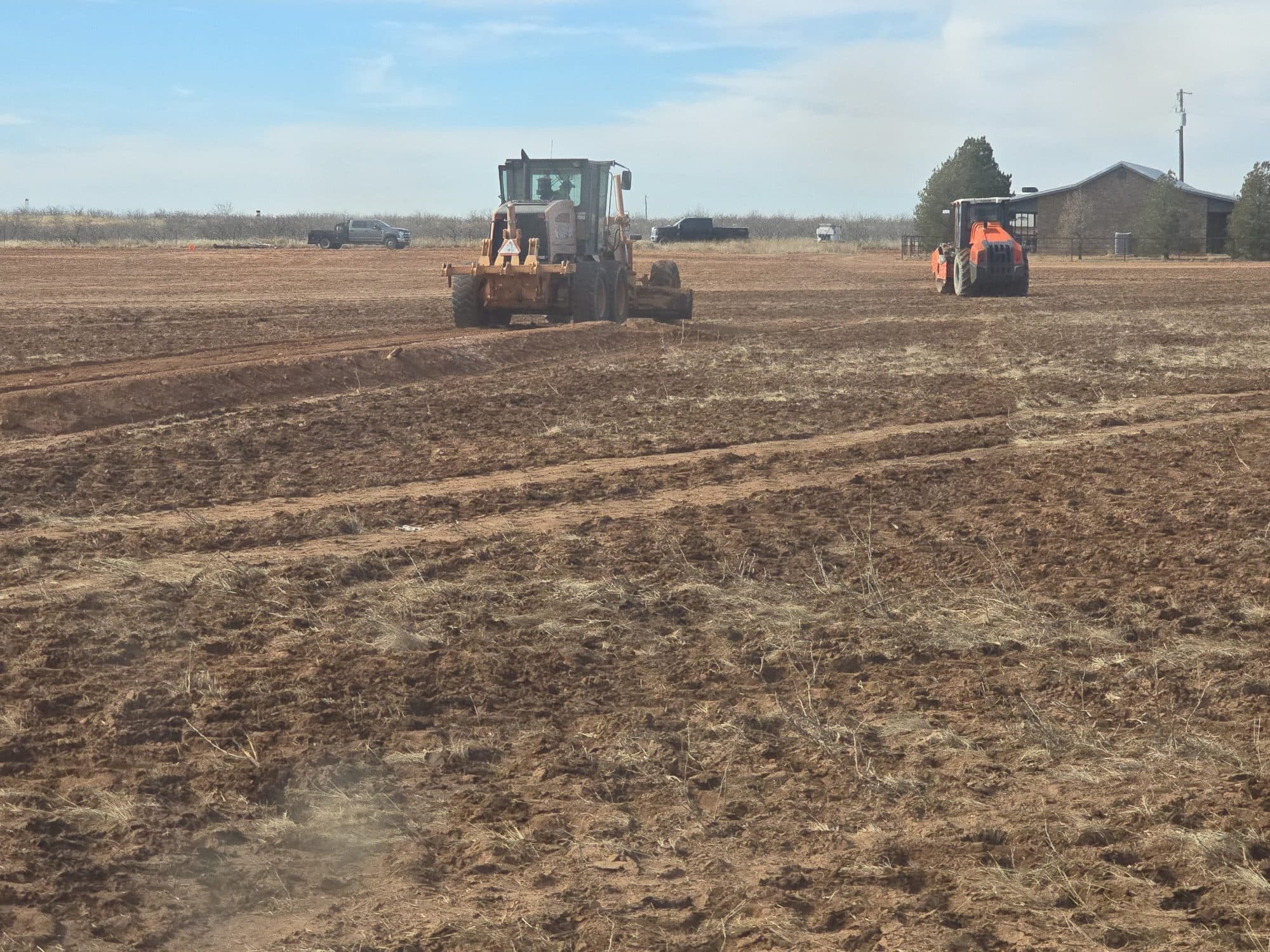
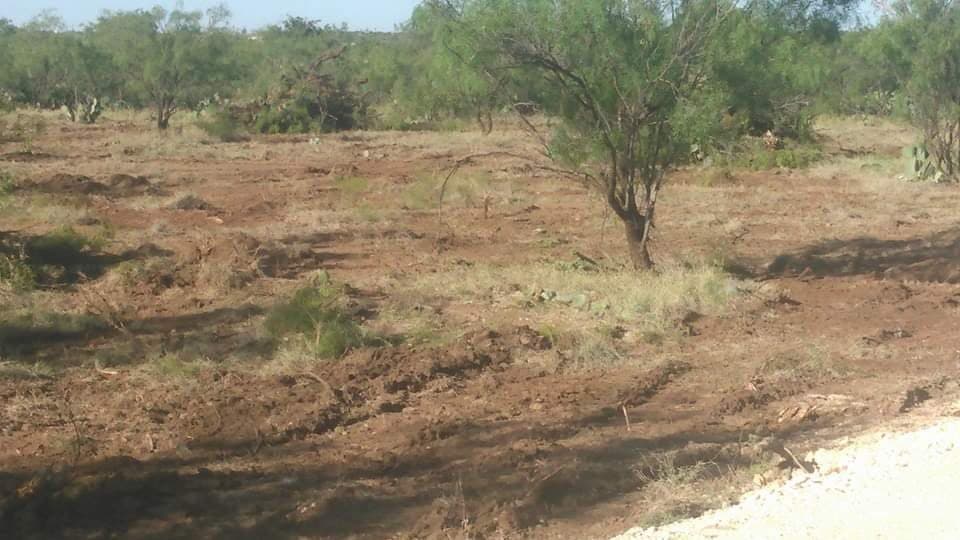
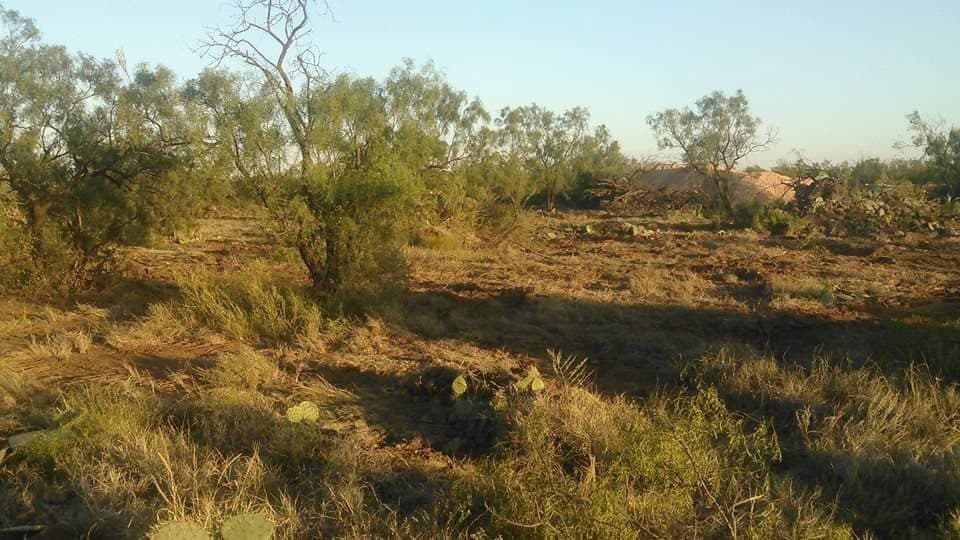
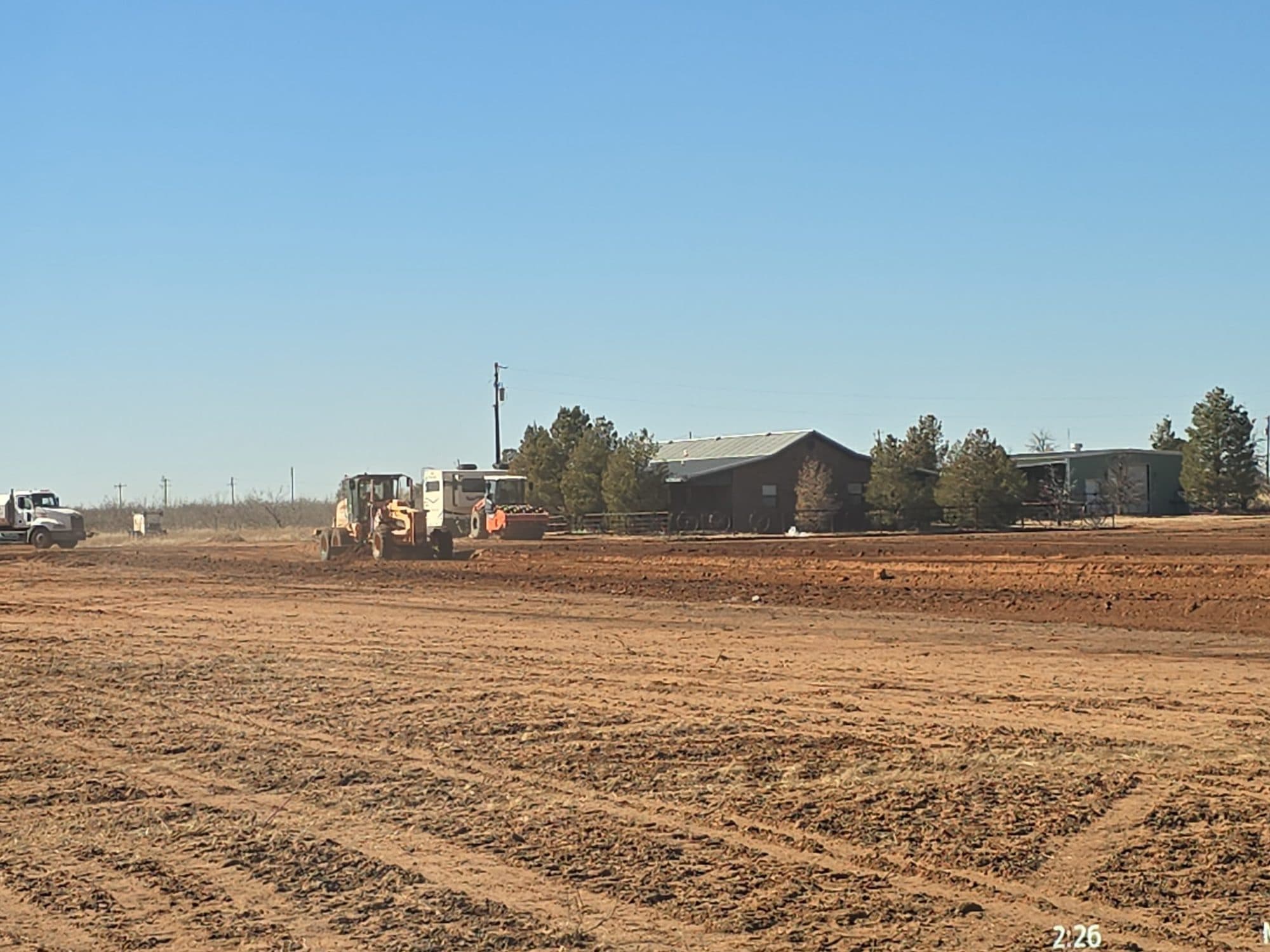
Dirt work in SnyderWhat This Looks Like on the Ground
Frequently Asked Questions
Will mulched mesquite grow back?
Usually yes. Mesquite stores energy in the root crown below the surface, and removing the top without the crown tends to produce multiple new stems from the same plant. You often end up with a thicket where a single tree was. Mulching mesquite is a reasonable first pass or a rotational management tool, but it is not a permanent clearing.
Which one do I need if I am building a shop or a barndominium?
Grubbing. Anything structural needs the root balls out, because buried woody material rots and the ground above it settles unevenly. Mulch chip left in a building footprint is the same issue in a thinner layer and gets pushed off before the pad goes in.
Is mulching cheaper than grubbing?
Per acre, yes, mostly because there is no debris to pile and dispose of. Whether it is cheaper for your project depends on what the ground is for. On a build site that needed grubbing, mulching first means paying for clearing twice.
What happens to the brush piles?
Burned, buried or hauled off, and it should be decided before work starts because it is a real cost. Burning is subject to county burn bans that nobody can schedule around. Burial has to be somewhere it will not be built on later. Haul-off is the most certain and typically the only choice inside city limits.
Can you clear around fence lines, wells and pipelines?
Yes, and that is a conversation we want before equipment moves, not during. Mark or tell us about anything that stays — fences, wells, pipelines, power, buried lines, trees you want left — and we work around it. We also call for utility locates where the work is going to open the ground.
How much does land clearing cost per acre out here?
There is no flat per-acre rate worth quoting, because density is everything. A tract with scattered mesquite and a tract that is solid thicket are different jobs on the same acreage, and rock, access and what happens to the debris all move the number. We look at it and price it off what is standing there. Estimates are free.
The Work Behind This Guide
Everything above is one of these services, or the drainage work that keeps it from failing.
Land Clearing
Clearing brush, mesquite, and cedar to open up land that's worth using.
Learn more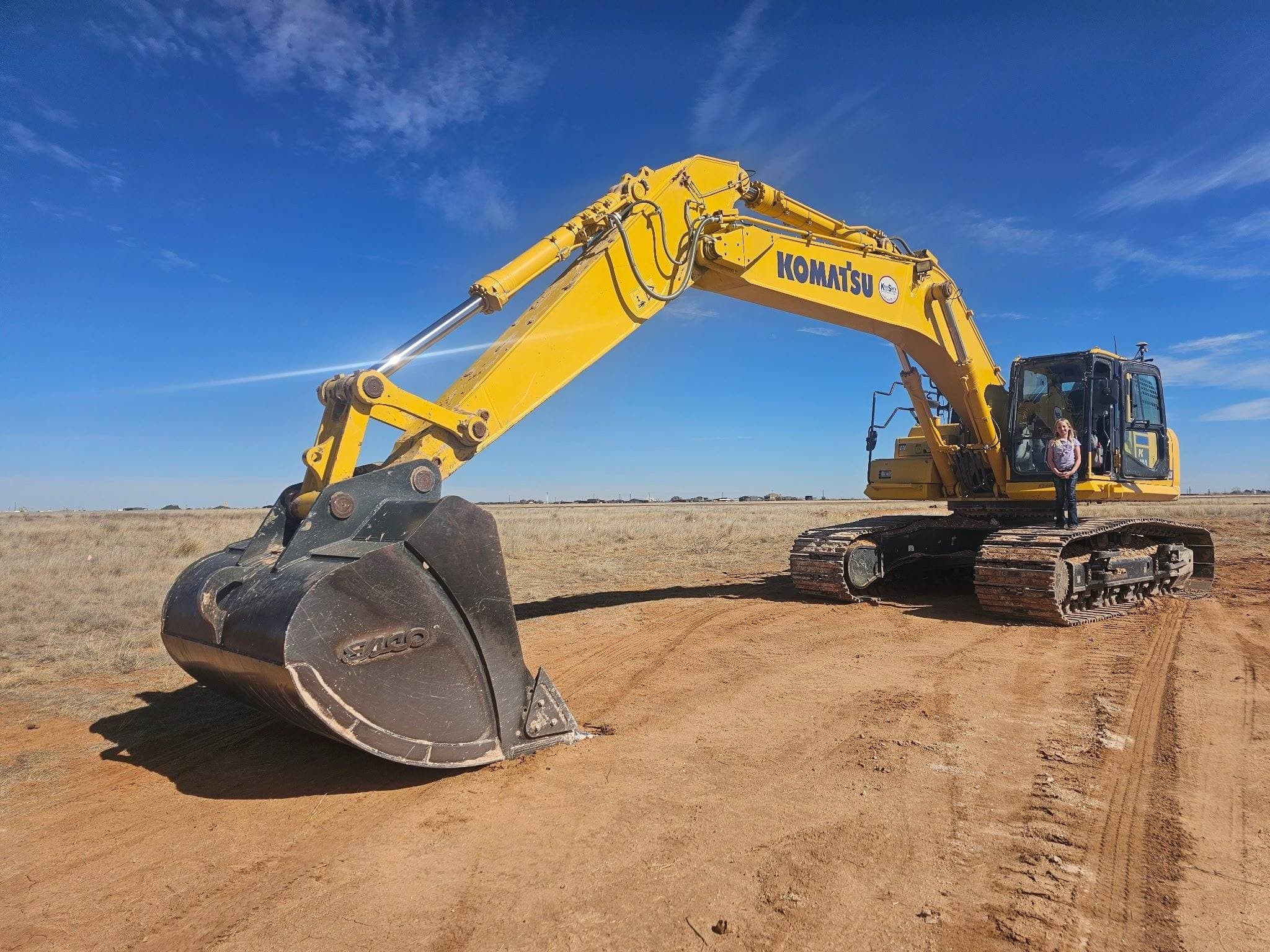
Land Development
Turning raw land into a graded, ready-to-use property.
Learn more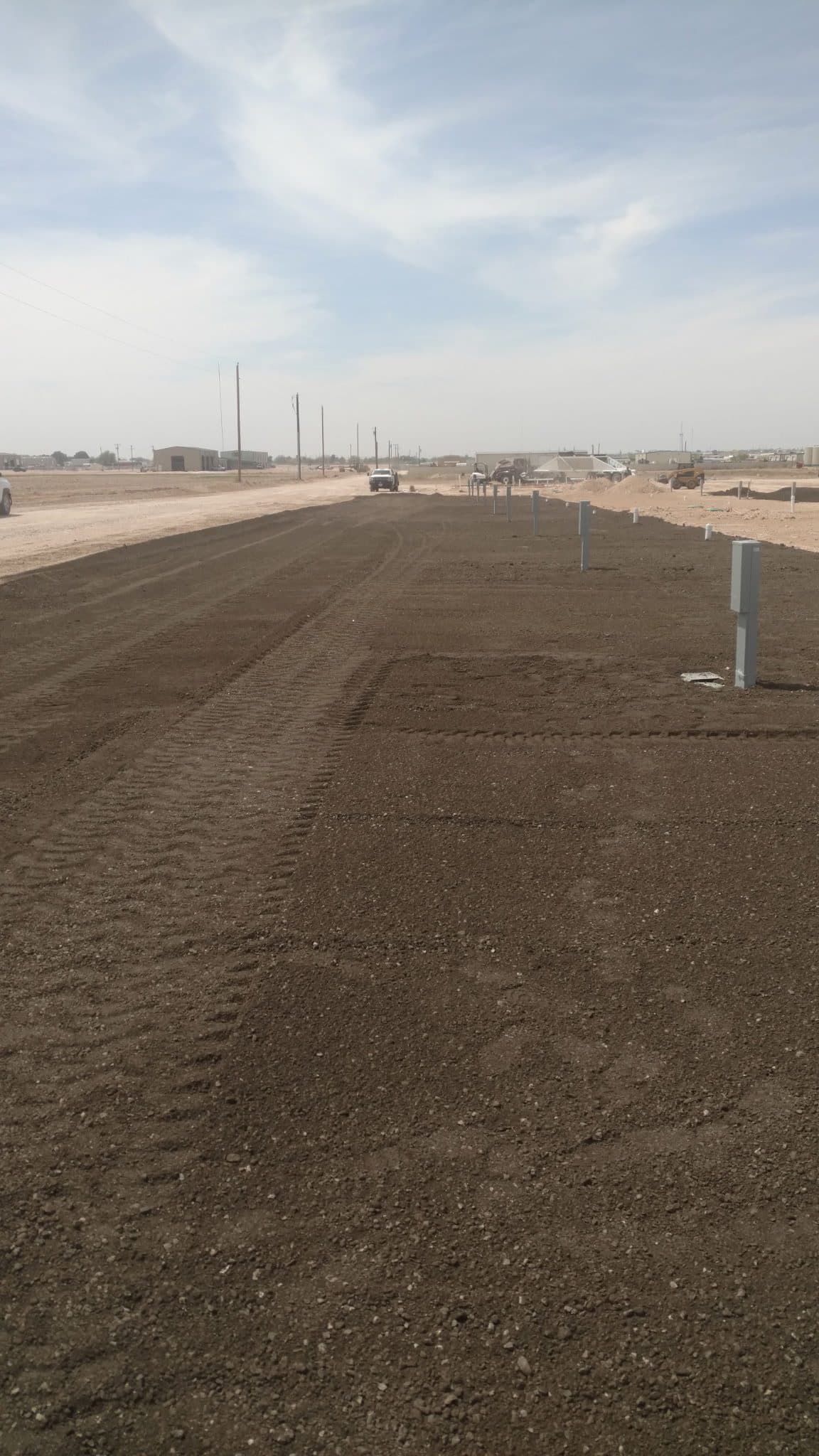
Ranch Development
Ranch roads, pads, and infrastructure built to work as hard as you do.
Learn more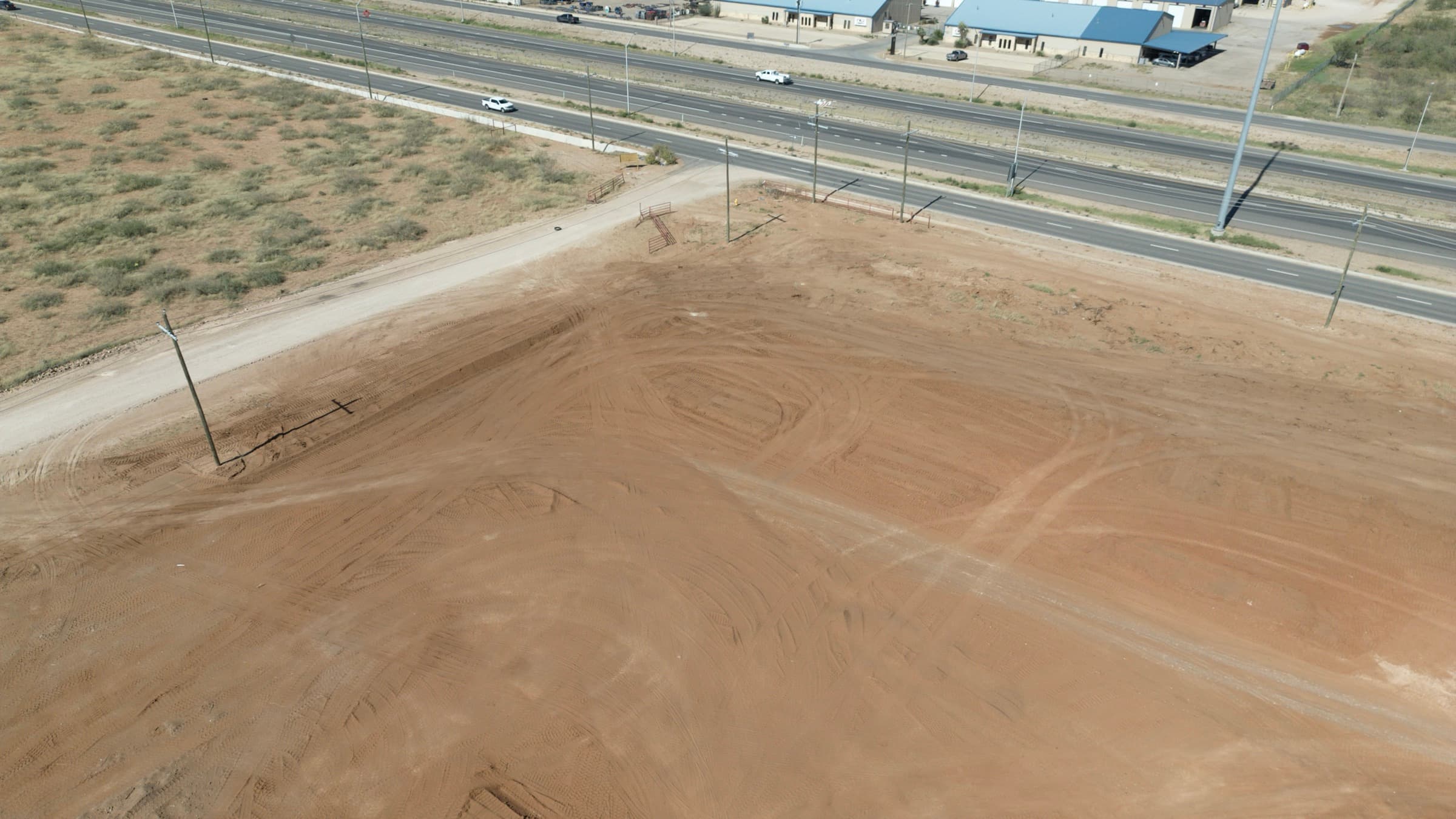
Site & Pad Construction
Site prep and pad construction that gets the ground ready to build.
Learn moreStill not sure which one your ground wants?
Tell us where the gate is and what you are trying to end up with. We will walk it and tell you what we would build, including when the answer is less work than you were expecting.
Contact Us Directly
Prefer to call or email instead of filling out the form? Reach us directly:
Phone
(575) 973-8523Hours
- Monday – SundayOpen 24 hours — call anytime
Service Area
Midland, TX & the Permian Basin