Guide
Culvert vs Low-Water Crossing: Getting a Road Across a Draw
A road has to get across the low ground somehow. Either the water goes under it through a pipe or it goes over it across a slab. The draw usually picks, and picking wrong is how a road becomes a dam.
Out here a draw is dry three hundred and some days a year and then it is not, and everything about how you cross it is decided by the handful of days it is not. A crossing that works fine for two years is not proven. It has just not met the storm that sizes it yet.
There are two honest ways to do it. Put pipe in and keep the road up, so water goes through. Or armor the bottom and let the road dip down, so water goes over. Each one is right in some places and wrong in others, and the thing that decides it is how much water comes down that draw and how often you need to get across while it is running. Rangefinder Excavation builds both across the Permian Basin, and the ones we get called to replace are almost always the ones that were sized by eye.
If you already know what you want built, the culvert installation page covers scope, process and what a job like it involves instead.
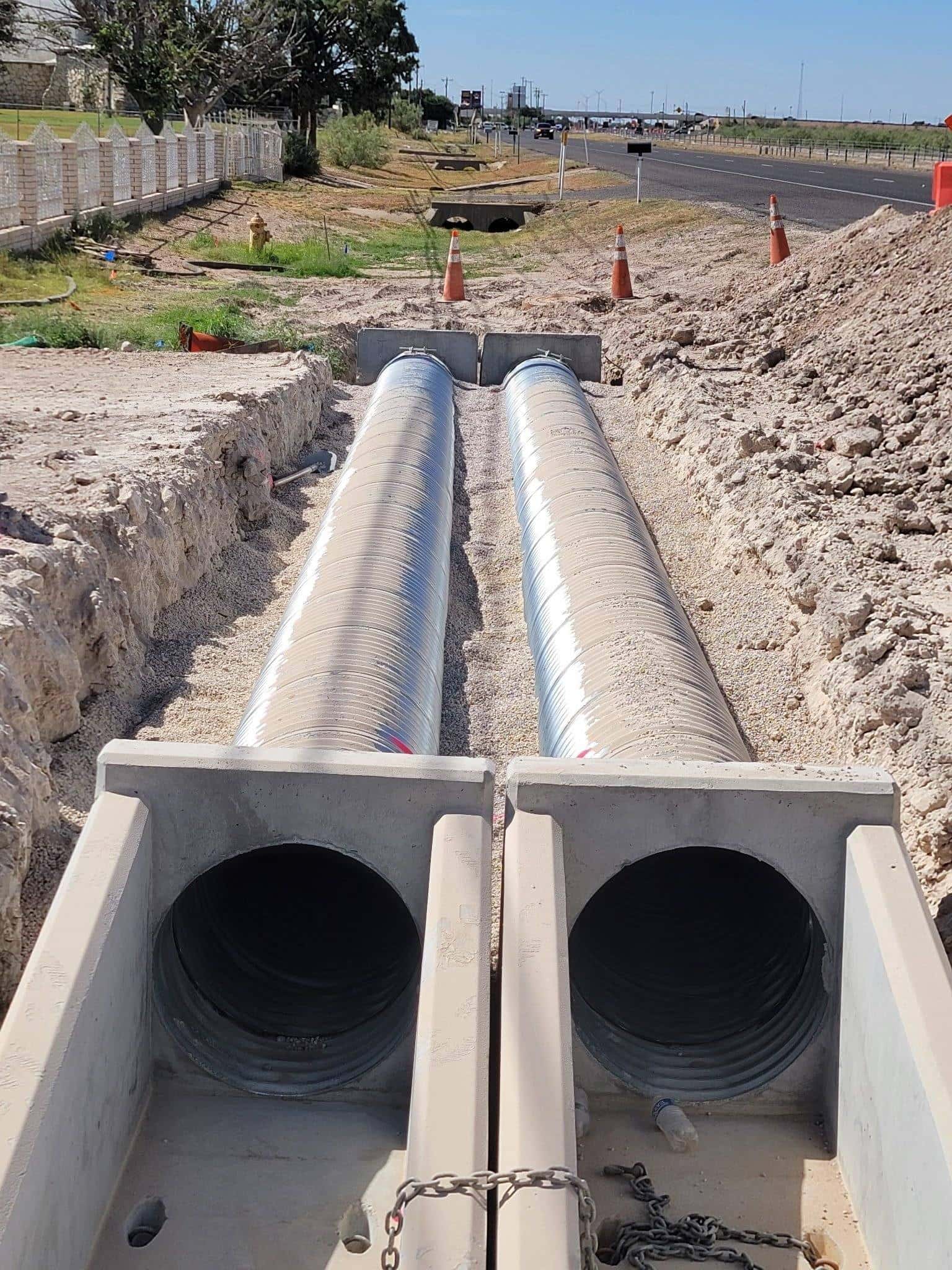
Straight talk: we build the crossing, we do not engineer the hydrology
We can look at a draw, read what the water has already done to it, and build a crossing that fits what we see. What we are not is a hydrologist or a licensed engineer. If the crossing is on a mapped watercourse, in a floodplain, on a county-maintained road, or anywhere a permit or a drainage study is required, that work belongs to an engineer and an agency, and we build to what they approve.
We will also tell you when your budget and your draw disagree. If the number you have in mind buys pipe we think will plug or undersize the crossing, we would rather say so standing in the draw than put it in and come back in two years to rebuild the road above it.
Head to Head
Culvert crossing
Pipe is set in the bottom of the draw at the right grade, backfilled and compacted, and the road is built up and across on top of it. The water goes through the pipe and the road surface stays dry.
Low-water crossing
The road drops to the bottom of the draw and crosses on a concrete slab or armored section built to be driven on and then overtopped. Water runs across the surface rather than under it.
| What you're comparing | Culvert crossing | Low-water crossing |
|---|---|---|
| How water gets past | Through the pipe, under a road that stays up. Capacity is fixed by the pipe you put in, and once flow exceeds it the water goes over the road anyway. | Over the top, across a surface built to take it. Capacity is effectively the width of the crossing, so it is very hard to exceed. |
| Access during a storm | Normally open, which is the whole point. Until the storm exceeds the pipe, and then it is overtopping in the worst way — across an embankment that was not built to be overtopped. | Closed while it runs, usually for hours, not days. You know in advance you cannot cross, and there is nothing to break when it does. |
| What takes it out | Undersizing, plugging, and erosion at the outlet. Water backing up at a blocked inlet saturates the fill and takes the embankment out from the side. | Scour at the downstream edge, and undermining of the slab if the approaches and the cutoff below it were not built right. |
| Debris | The main weakness. Brush, tumbleweed and sediment plug an inlet, and a plugged culvert is a dam you paid to build. | Largely immune. There is no inlet to block; debris washes across and keeps going. |
| Upfront cost | Lower on small and medium draws. Rises fast with pipe size, and multiple barrels or large-diameter pipe changes the number quickly. | Higher to build on a small draw and often the cheaper answer on a big one, because it does not scale with flow the way pipe does. |
| Maintenance | Ongoing. Inlets need clearing, especially after a storm and after a windy season. Neglecting that is how most culverts fail. | Low. Check the downstream edge and the approaches after big events; there is very little to keep clean. |
| How it gets sized | By the drainage area above it and the storm you are designing for. This is arithmetic, not judgment, and it is where crossings are usually gotten wrong. | By width, approach grade and the armoring below the slab. Less sensitive to getting the flow estimate exactly right, which is part of its appeal. |
Where Each One Is the Right Call
Reach for culvert crossing when
- Draws with modest to moderate flow that a correctly sized pipe can carry
- Access that has to work during and right after a storm, not just between them
- Roads that carry trucks, trailers, or anything on a schedule
- Crossings where you want the road profile to stay flat and drivable at speed
Reach for low-water crossing when
- Big draws where a pipe large enough to carry the real flow is impractical
- Flashy watersheds that run hard for a few hours and then go dry
- Debris-heavy crossings where anything with an inlet will plug
- Places where being cut off for a few hours is acceptable and being washed out is not
Sizing is the whole job
Every failed culvert we have replaced was too small. Not badly built, not bad pipe — too small. Somebody looked at a dry draw, pictured the water they had seen in it, and put in pipe that matched the picture. Then a real storm came down a watershed they never measured.
The size comes from the drainage area above the crossing and how hard it rains on it, not from how wide the channel looks. A draw six feet across can drain a couple of hundred acres of caliche and sparse cover, and caliche country sheds water fast — very little soaks in, most of it runs, and it arrives all at once. That is what the pipe has to carry, and it is a number you work out before you buy pipe, not after.
When the pipe plugs, the road is the dam
This is the failure worth understanding, because it is not gradual. A plugged inlet backs water up against the upstream face of a road embankment that was built to carry traffic, not to hold a pond. The fill saturates, it loses strength, and it goes out sideways — usually taking more road with it than the crossing ever cost.
Two things reduce it. Size generously, because the cost difference between adequate pipe and comfortable pipe is small next to rebuilding a road. And actually clear the inlets, particularly after a windy stretch, because tumbleweed against a culvert mouth is the most reliable way to plug one in this country.
The ends of the pipe are where crossings live or die
A pipe lying in a draw with raw dirt at both ends is half a crossing. Water accelerating into an unprotected inlet undercuts the fill around it, and water leaving the outlet at speed scours a hole that works its way back under the pipe until the pipe is hanging in air.
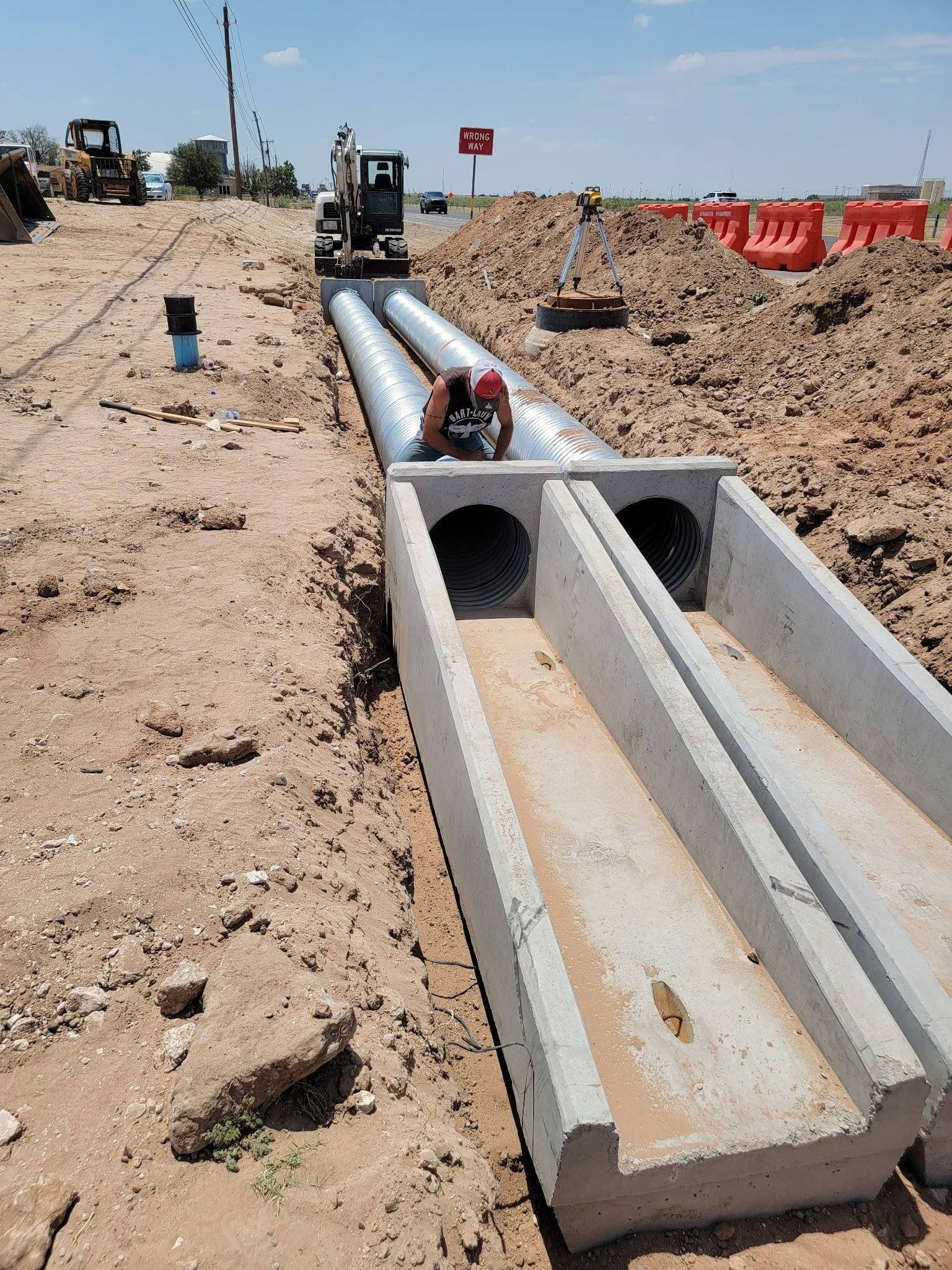
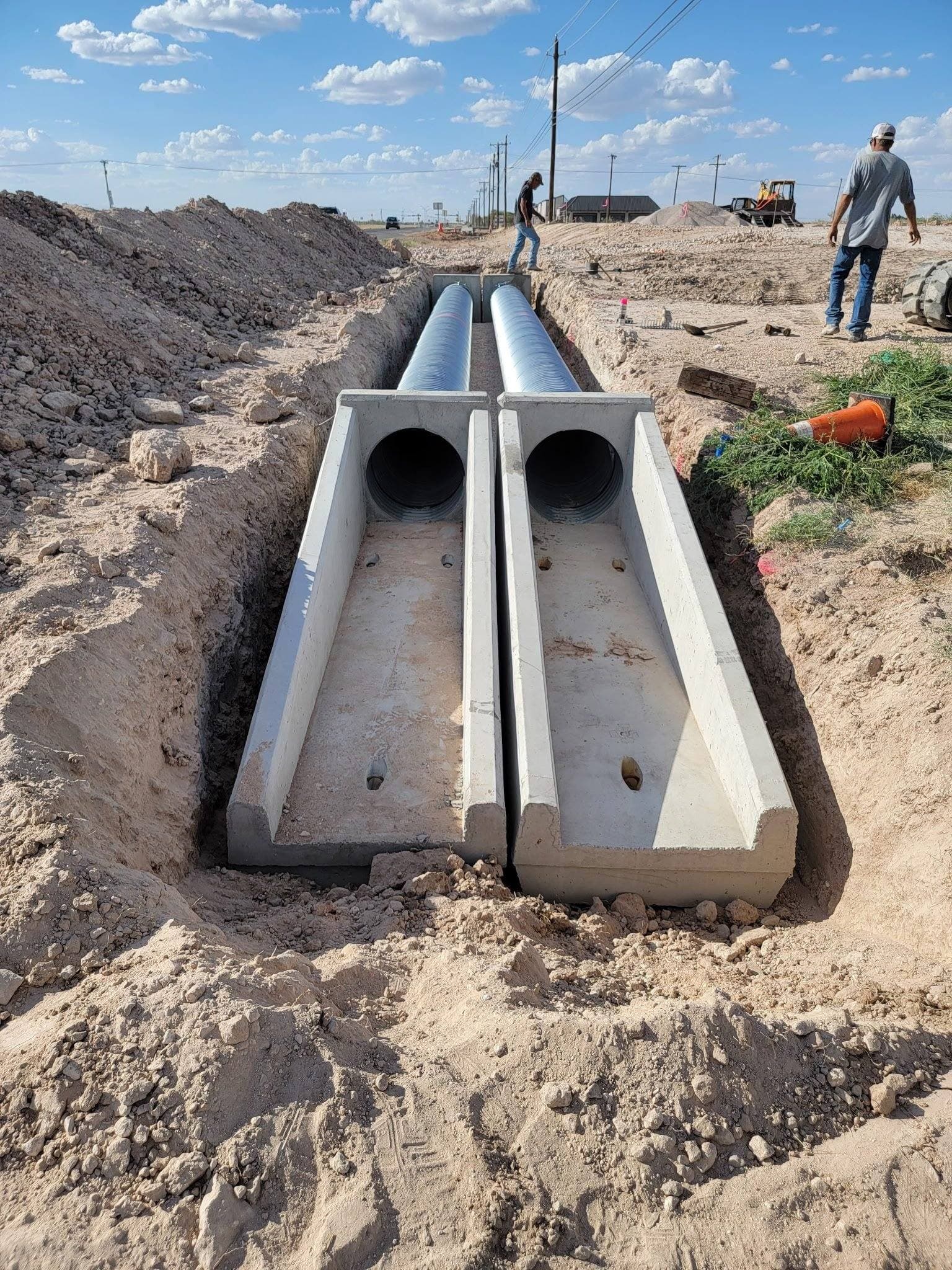
So the ends get treated. Concrete end sections or headwalls where the crossing calls for them, riprap or rock armor at the outlet to break the energy before it gets into soft ground, and the fill around the pipe placed and compacted in lifts rather than pushed in. It is the least glamorous part of the job and it is the part that decides how long the crossing lasts.
The low-water crossing is the honest answer on a big draw
On a draw with real watershed above it, the pipe that would genuinely carry a design storm gets impractical — multiple large barrels, a lot of fill, and a structure that still fails badly the day something bigger comes down. At that point the low-water crossing stops being the compromise and starts being the right engineering.
It gives up something real. You cannot cross while it runs, and out here that is typically hours rather than days. What you get is a crossing that does not have a capacity to exceed, does not plug, and does not take the road with it when a big one comes through. On ranch access and secondary roads that is usually the better trade, and plenty of people choose it on a draw where a culvert would technically work.
Where the water goes next is somebody else's property
A crossing changes how water moves, and water leaving your place goes onto somebody else's. Concentrating flow that used to spread out, or moving where it exits, can cause a problem downstream that becomes your problem. It is worth a conversation with the neighbor before it is worth a conversation with a lawyer.
If the draw is a mapped watercourse, if there is a floodplain involved, or if the crossing is on a county road or a road the county maintains, there are people who have to be asked first. Those approvals sit with you and the county or the state, and we build to what gets approved.
What we need to quote it
Where the crossing goes, ideally a drop pin. Roughly how much ground drains to it, even approximately — a fence line and a section corner is more useful than a guess. What the road carries: a pickup, loaded trailers, water trucks, a rig move. How wide the road needs to be across it. What the draw does in a real rain, if you have seen it. And whether being cut off for a few hours is a problem or just an inconvenience, because that single answer often decides the whole thing.
We would rather walk the draw than price it from a description. The channel shape, what the banks are made of and where the water has already cut tell you most of what you need, and they are hard to convey over the phone.
What Your Ground Changes
The Permian Basin is not one kind of dirt. What is obviously the right call on one side of our service area is the wrong one two counties over, and it is the ground underneath — not the thing sitting on top of it — that decides.
Big Spring, TX
Howard County
Howard County has the most real relief in our area — the ground falls off toward the draws east and south of town and rock is common. Concentrated runoff in those draws is exactly what takes out an undersized crossing, and it is the part of our territory where low-water crossings most often turn out to be the right call.
Dirt work in Big SpringMidkiff, TX
Upton County
Upton County ranch and oilfield ground falls off toward the draws, with caliche ledge near the surface. Rock makes trenching a pipe in slower and more expensive, which shifts the arithmetic toward crossing on the surface more often than it does on soft flat ground.
Dirt work in MidkiffMidland, TX
Midland County
Flat country with caliche close to the surface, which sheds water instead of taking it in. Draws here look small and unimpressive most of the year and still deliver a lot of water at once, and that mismatch is why crossings around Midland County get undersized by eye more than anywhere else we work.
Dirt work in MidlandStanton, TX
Martin County
Martin County farm ground is sandy loam over caliche, and crossings here often serve turn rows and field access. Sandy banks scour easily, so outlet protection matters more than the pipe size people worry about, and a crossing that moves water off a field has to not dump it on the neighbor's.
Dirt work in StantonGreenwood, TX
Midland County
Acreage south and east of Midland along FM 307 and FM 1788, mostly flat with shallow draws crossing driveways and entrances. Most of what we build out here is culvert work on private drives, where the requirement is being able to get out on a wet morning rather than surviving a hundred-year event.
Dirt work in GreenwoodSnyder, TX
Scurry County
Scurry County has more relief and larger ranch tracts, so crossings tend to serve long interior roads with real watershed above them. Distance is its own factor here — a crossing that fails on a back road is not something anybody discovers quickly.
Dirt work in SnyderWhat This Looks Like on the Ground
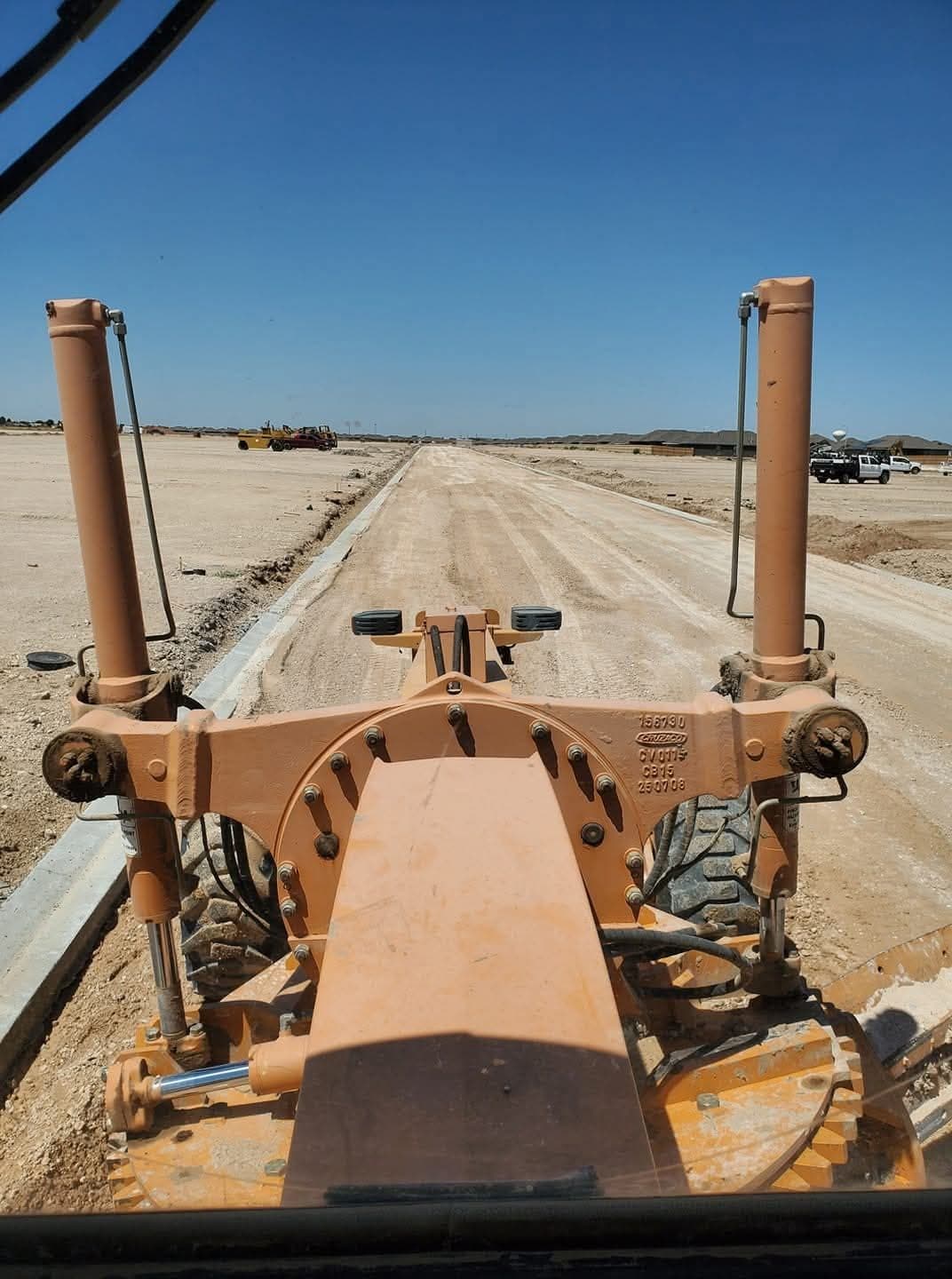
Frequently Asked Questions
What size culvert do I need?
It comes from the drainage area above the crossing and the storm you are building for, not from how wide the channel looks. Small draws in caliche country routinely drain more ground than people expect, because very little soaks in and most of it runs. Every failed culvert we have replaced was undersized, so when it is close we round up.
Is a low-water crossing cheaper than a culvert?
On a small draw, usually not — a pipe is simpler and less concrete. On a big draw it often is, because a culvert has to grow with the flow and a low-water crossing largely does not. The trade is access: you cannot cross a low-water crossing while it is running, typically for hours rather than days.
Why do culverts wash out?
Two reasons, and both are preventable. Undersized pipe that cannot pass the storm, so water backs up and takes the road embankment out from the upstream side. And unprotected ends, where water leaving the outlet scours a hole that works back under the pipe until it is hanging. Sizing and end treatment are the whole ballgame.
How often do culverts need cleaning out?
Check them after every significant storm and after a windy stretch. Tumbleweed piled against an inlet is the most common way a culvert plugs in this country, and a plugged culvert turns your road into a dam. It is a few minutes of looking that prevents the most expensive failure on this page.
Do I need a permit to put in a crossing?
It depends on where it is. A private drive crossing a small draw on your own place usually does not. A crossing on a county road or a road the county maintains, in a floodplain, or on a mapped watercourse generally does, and it may need an engineer. Those approvals are yours to obtain and we build to what gets approved.
Can you build the road and the crossing together?
Yes, and it is the better way to do it. The crossing and the road either side of it are one system — approach grades, ditching and where water runs alongside the road all affect the crossing, and a good crossing at the end of a road that was bladed once is money spent on the wrong half.
The Work Behind This Guide
Everything above is one of these services, or the drainage work that keeps it from failing.
Culvert Installation
Culverts sized and set to actually carry the water, not just look installed.
Learn more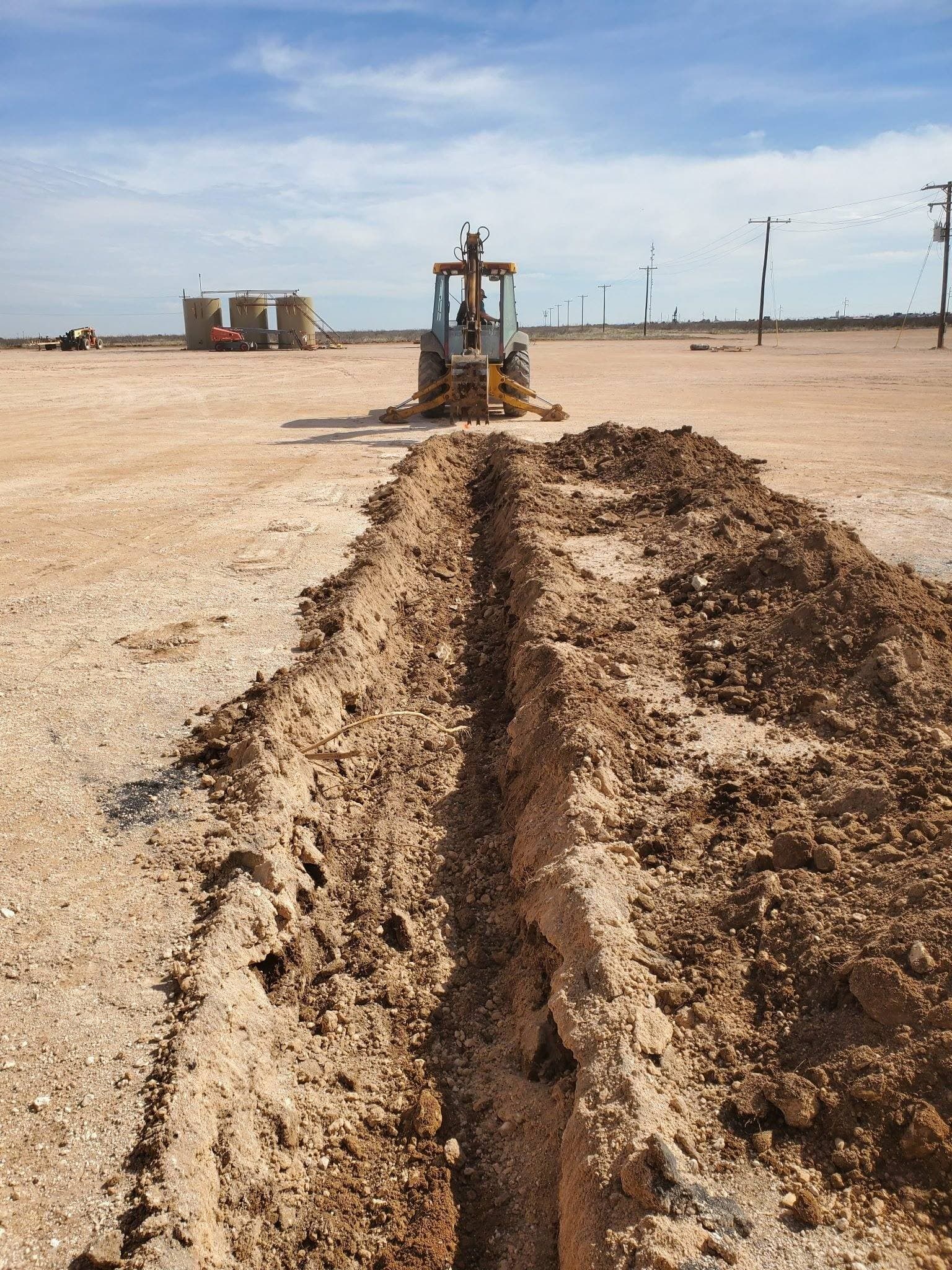
Drainage Solutions
Grading and drainage work that gets water moving where it's supposed to go.
Learn more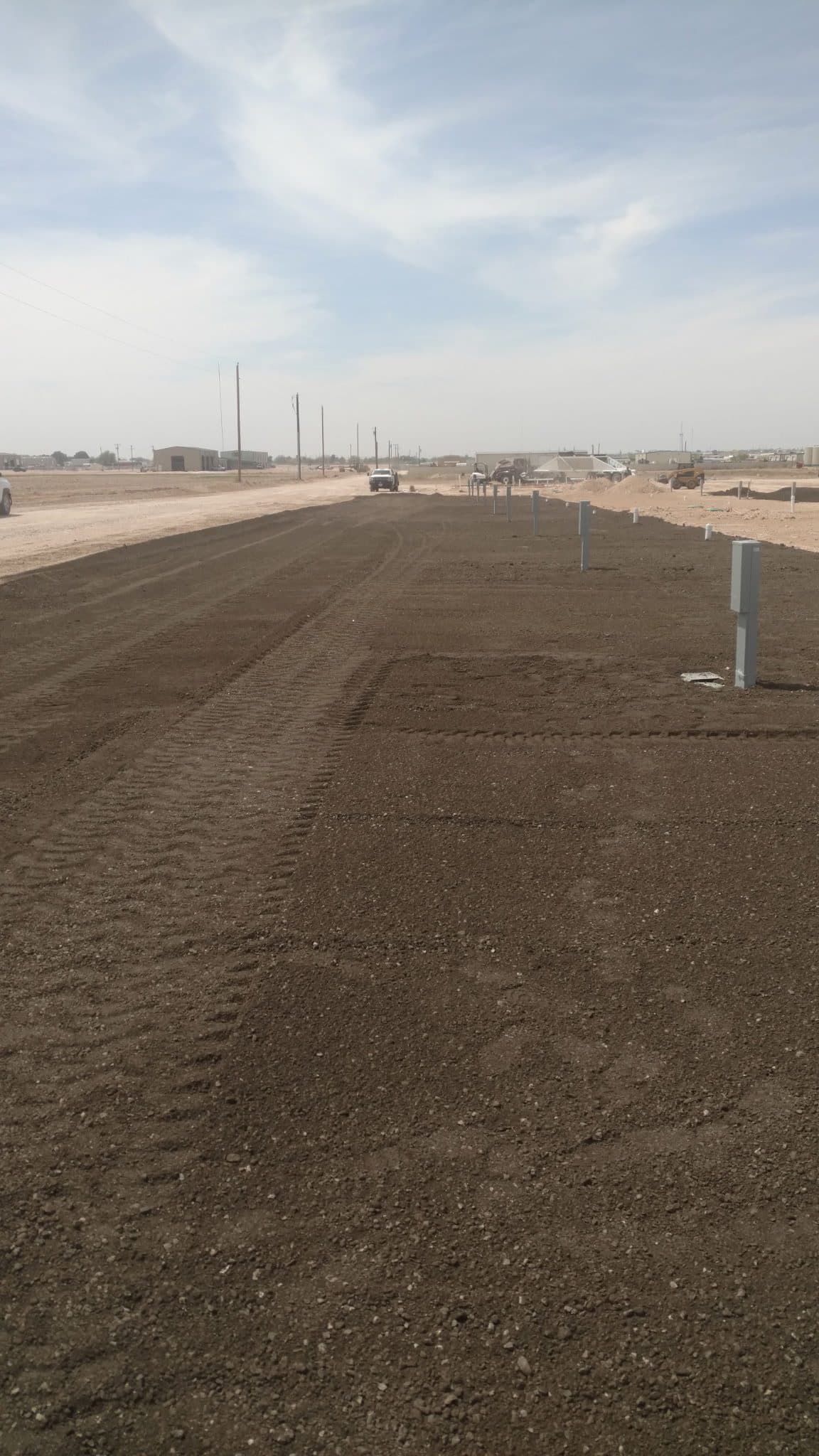
Ranch Development
Ranch roads, pads, and infrastructure built to work as hard as you do.
Learn more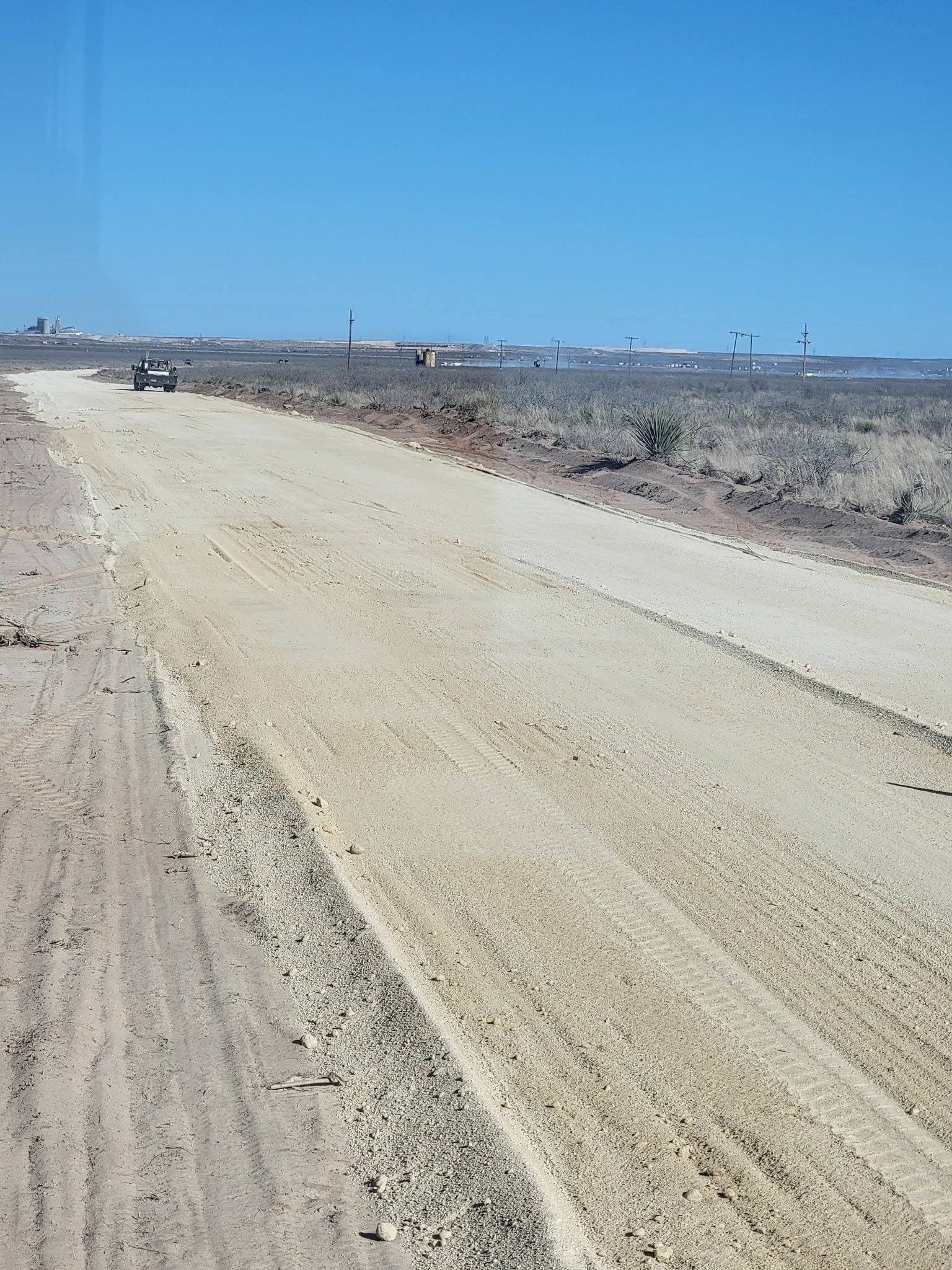
Driveway Installation
A driveway that drains right and holds up, not just a scraped-flat path.
Learn moreStill not sure which one your ground wants?
Tell us where the gate is and what you are trying to end up with. We will walk it and tell you what we would build, including when the answer is less work than you were expecting.
Contact Us Directly
Prefer to call or email instead of filling out the form? Reach us directly:
Phone
(575) 973-8523Hours
- Monday – SundayOpen 24 hours — call anytime
Service Area
Midland, TX & the Permian Basin